
Can You Make a Living Betting on Sports?

Successful sports betting requires discipline, data analysis, and strategic planning to navigate challenges and achieve long-term profitability.

Tom Herbert
Last Updated: June 9, 2026
Sports betting success is built on understanding market mechanics — not chasing picks.
The Betting Education section of ProComputerGambler.com is dedicated to explaining how sports betting markets function, how sportsbooks price risk, and how disciplined bettors identify long-term edges. These guides focus on process, probability, and data-driven reasoning rather than short-term results.
Topics covered in this section include betting market psychology, line movement analysis, bankroll concepts, expected value fundamentals, and the principles behind SDQL-based system research. Whether you are new to structured betting analysis or refining an existing approach, these articles are designed to improve decision-making clarity.
This section is built for bettors who want to think in terms of probability, risk management, and market behavior. If you’re ready to move beyond short-term trends and develop a structured betting framework, start here.

Successful sports betting requires discipline, data analysis, and strategic planning to navigate challenges and achieve long-term profitability.

Many people are fascinated by the idea of professional sports bettors. Stories about legendary gamblers, betting syndicates, and mysterious “computer groups” have circulated for decades. Some bettors imagine professional gambling as a world of inside information and secret picks that guarantee easy profits. The reality is very different. Professional sports betting is not about guessing winners…

Most bettors judge success by one thing: Did the bet win or lose? But professional bettors evaluate wagers very differently. Instead of focusing only on short-term results, they look at something far more important: Closing Line Value, often called CLV. Many experienced bettors believe that consistently beating the closing line is one of the strongest indicators…

The post critiques the reliability of sports betting picks, highlighting that many services advertise unrealistic win rates. Due to built-in sportsbook commissions, bettors must exceed a 52.38% win rate to break even, which is challenging. Professional bettors rely on analytical methods rather than purchased picks, emphasizing the importance of transparency and long-term data analysis.

The idea of a sports betting system is incredibly appealing. Find the right formula.Follow the rules.Place the bets. And in theory, the profits should follow. The sports betting industry has been selling this promise for decades. Thousands of systems have been marketed through newsletters, websites, and betting services claiming to have discovered a reliable edge against…

Professional bettors integrate raw numbers, market timing, and Closing Line Value to make informed betting decisions, enhancing long-term profitability.

Most sports betting sites sell picks. They tell you what to bet — rarely why — and almost never how the decision was formed. Sharp bettors work the opposite way. They start with raw numbers, not opinions. Picks are simply the final expression of a process that begins long before a wager is placed. Picks Are…

Most people who bet on sports believe they are making rational decisions.In reality, they are reacting — to recent results, headlines, narratives, and discomfort. Sports betting markets don’t punish a lack of information.They punish emotional behavior. That’s why the public consistently loses over time — not because they’re unintelligent, but because they are predictably human. The…

Not all betting edges are created equal. Some bets remain profitable even after the line moves. Others are destroyed by a half-point shift. Understanding price sensitivity — how fragile or durable a betting edge is — is one of the clearest separators between recreational bettors and professionals. how line movement impacts betting decisions is crucial for…
Why Timing Is the Difference Between Value and Noise Most bettors think value is something you either find or don’t. In reality, value is often temporary. It

Why Betting Markets Aren’t Perfect Sports betting markets are efficient — but they are not neutral. Lines don’t move purely because of new information.They move because of money, and a large portion of that money is emotional, biased, and predictable. This is where public bias enters the equation — and where opportunity is created. 👉 What…

In sports betting, the word system has largely lost its meaning. It’s used to describe everything from statistical research to superstition, from market analysis to disguised opinions. That confusion benefits sellers — but it harms bettors. A real betting system does not predict outcomes.It does not guarantee wins.And it does not replace judgment. Effective betting strategies…
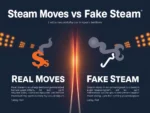
The article distinguishes between real steam and fake steam in sports betting, explaining that real steam involves sharp, coordinated moves from respected bettors, while fake steam is driven by public betting or casual money. It emphasizes the importance of timing and origin of moves, cautioning against chasing steam, which often results in poor betting value.

Most bettors see a half-point and think it’s minor. Professional bettors know it can be the difference between: This is where key numbers come in — and why price matters more than opinion. What Are Key Numbers? Key numbers are point spreads that games land on more often than others due to scoring patterns. In football…

What Is Closing Line Value? Closing Line Value (CLV) measures the quality of your bet price. It compares whether your price was better or worse than the final market price at kickoff or tip-off. If you consistently place bets at better numbers than the closing line, you are beating the market. This is true regardless of…

Most bettors start their analysis the same way: “Which side has more bets?” At first glance, betting percentages feel like insider information. If 75% of bettors are on one team, that must mean something… right? In reality, betting percentages are one of the most misleading data points in sports betting — and relying on them blindly…

Sports betting markets prioritize pricing uncertainty and managing risk rather than simply predicting winners. Understanding market forces, such as sharp money and public betting, is crucial. Key concepts include closing line value, market timing, and the importance of informed action to capture value in a constantly evolving pricing system.

If you’ve ever looked at betting percentages and thought, “How is the line moving the wrong way?” — congratulations. You’ve just noticed reverse line movement, one of the most misunderstood concepts in sports betting. Reverse line movement (RLM) is often where sharp bettors quietly reveal themselves, and understanding it can completely change how you read the…

Understanding the difference between sharp money and public betting is crucial for sports bettors. Sharp money refers to informed wagers that influence market odds, while public betting consists of casual bets driven by recent performance or narratives. Successful betting strategies involve recognizing market reactions to these bets, particularly in situations of reverse line movement.

Most bettors believe they lose because they can’t pick winners. That’s almost never true. They lose because their bankroll structure collapses long before their edge has time to work. The Harsh Truth About Betting Failure Two bettors can use the same system. One goes broke.One becomes profitable. The difference isn’t intelligence, research, or effort. It’s bankroll…

Every bettor believes they’re prepared for losses. Almost none are prepared for losing streaks. Losing Streaks Are Not a Sign You’re Bad A losing streak: It means variance is doing exactly what it’s supposed to do. Even Great Systems Lose… A Lot A system that wins: Will still experience: If this surprises you, your bankroll is…

Flat betting and the Kelly Criterion are two very different bet sizing methods. This guide explains how each works, why full Kelly can be risky in sports betting, why flat betting is often the better baseline, and when fractional Kelly may make sense for advanced bettors.

Successful betting hinges on proper bet sizing rather than just picking winning bets. Poor sizing can lead to losses despite high win rates. The recommended flat betting strategy of wagering 1-2% of your bankroll fosters longevity and controls emotional decision-making. Professionals prioritize survival over big wins, emphasizing the importance of managing variance.

Here is an excellent article about a money management betting system — written in 2011 by The ‘Weatherwizard’. This might not be THE best way to do things, but it works for me. Let it be a starting point for you to develop your own money management strategy! One crucial aspect of a successful betting strategy is…

I’m going to keep this article concise. In my time advising sports bets to my readers at 9AM-12noon I’ve learned a few things: Passing: My findings 1. This is usually too early to make a call.2. Better to place your bet later in the day after you’ve considered a much greater deal of information. Note: It…

This sports betting newsletter emphasizes understanding market dynamics rather than merely providing picks. It offers daily market signals, raw data, and a focus on disciplined betting processes. Unlike typical newsletters, it documents results transparently and aims to teach subscribers to interpret market signals and identify value over time.

Professional sports betting discipline is essential for long-term success, emphasizing a structured decision-making process rather than emotional reactions. It involves consistent bet sizing, adherence to rules, and managing variance effectively. Discipline enables bettors to realize an edge and maintain performance over time, highlighting its importance over mere skill.

Why MLB Home Teams Become Profitable After April An MLB market timing case study One of the most consistent mistakes sports betting markets make happens early in the season — before pricing fully stabilizes. Major League Baseball is a textbook example of this behavior. From 2004 onward, betting markets have repeatedly mispriced home teams in April,…

The Computer Group STORY: Origins of Computer-Driven Sports Betting Syndicates Before ProComputerGambler was launched, I had the opportunity to work closely with someone who had been part of one of the most influential betting syndicates in sports wagering history — the original Computer Group. Within that group he was known simply as “The Judge.” During the…

In NCAAF Week 10, the timing of bets is crucial for profitability. Bettors should place early bets on favorites and wait on underdogs due to sportsbook adjustments. Key numbers vary by sport, impacting the strategy. Understanding market movements and closing line value is essential for long-term success in betting.
