
NFL Week 5 Betting Card Archive: Public Perception vs Market Reality

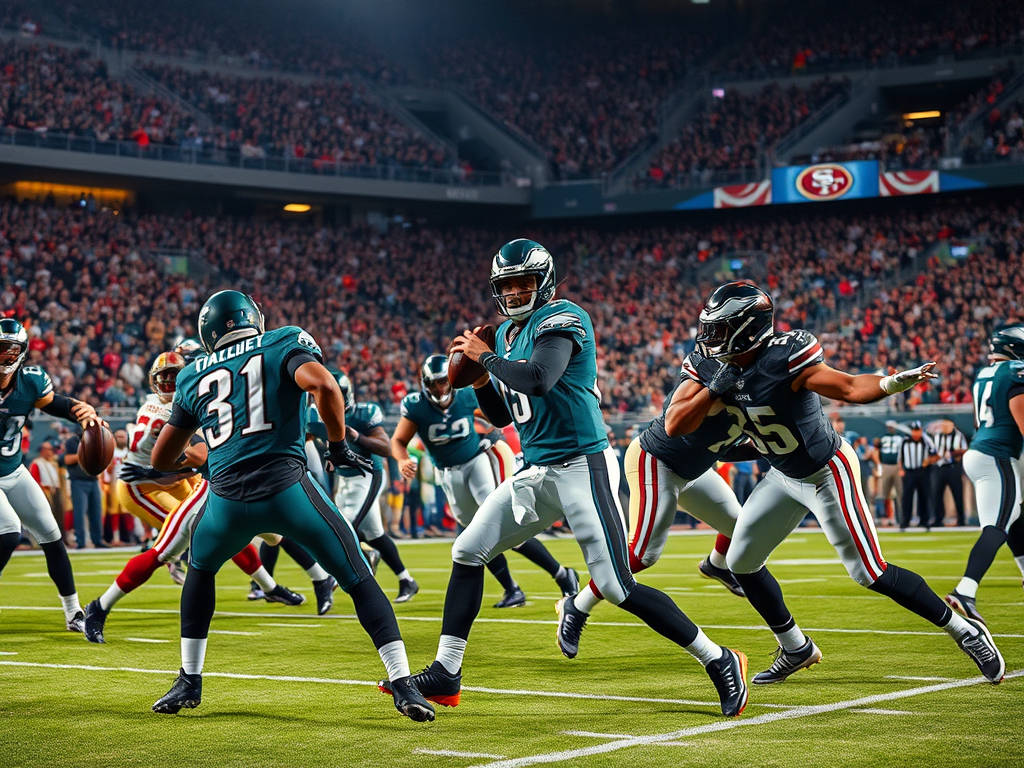
Originally published October 10, 2010 — preserved and reframed as part of the ProComputerGambler betting archive. This post is not presented as current betting advice. It is a historical example of how NFL markets can move on perception, injury narratives, public overreaction, emotional scheduling spots, and team reputation.
The value of this archive is not simply the card itself. The value is in studying the thought process behind the positions: where the market appeared inflated, where public opinion may have moved too far, and where numbers, psychology, and timing intersected.
Why This 2010 NFL Week 5 Card Still Matters
NFL betting markets are heavily shaped by what the public just saw. A favorite looks dominant, a popular quarterback gets media attention, an underdog loses heartbreakingly, or an injury headline changes the discussion — and suddenly the line reflects perception as much as team strength.
That was the central idea behind this Week 5 card
The original analysis leaned into several market concepts that remain relevant today:
- Public overreaction to recent results
- Emotional letdown and bounce-back spots
- Injury-driven line movement
- Market inflation around popular teams
- Underdog value in a parity-heavy league
- Projection gaps between internal numbers and market price
For a broader explanation of this concept, see:
Sharp Money vs Public Betting: How to Spot the Difference
How public betting behavior, line movement, and market signals can separate perception from actual value.
The Market Theme: NFL Parity and Public Overreaction
The original post opened with a key observation: underdogs were performing well, and the public continued to chase yesterday’s news.
That is one of the oldest traps in NFL betting.
The NFL is built for parity. Even weak teams are professional teams. Even ugly underdogs can cover. Even elite favorites can underperform against inflated spreads. When bettors assume last week’s result will repeat cleanly, the market can create opportunity on the other side.
At the time, the post noted that favorites had struggled the previous week and that double-digit favorites had not been as automatic as they had been in other seasons. The broader lesson is simple: betting systems and market assumptions can decay quickly when the league environment changes.
That is why market analysis has to remain adaptive.
NFL Betting Systems That Exploit Public Overreaction
A deeper look at how NFL systems can identify public bias, emotional overreaction, and market mispricing.
Archived Week 5 Card Snapshot
The following selections are preserved as historical archive material from the original 2010 Week 5 post.
This is not a current recommendation list. It is a documented example of the way the card was approached at the time.
| Rotation | Archived Selection | Line | Unit Size | Original Market Framing |
|---|---|---|---|---|
| 435 | Philadelphia Eagles | +3.5 | 5 units | Top Play / public perception line |
| 433 | Tennessee Titans | +7.5 | 3 units | Dallas reputation and bye-week timing |
| 417 | St. Louis Rams | +3 | 2.5 units | Young team undervalued vs Detroit |
| 422 | Cincinnati Bengals | -6.5 | 2 units | Frustrated home favorite before bye |
| 415 | Kansas City Chiefs | +9 | 1.5 units | Large underdog vs injured Indianapolis |
| — | 7-point teaser: Eagles +10.5 / Raiders +14 | — | 1 unit | Underdog protection / teaser positioning |
Philadelphia Eagles +3.5 vs San Francisco 49ers
The Philadelphia Eagles were the top-rated play on the original card.
The market setup was based on a major public perception shift. Michael Vick was out, Kevin Kolb was back in, and the public reaction moved heavily toward San Francisco. The original projection made Philadelphia the stronger side before the quarterback adjustment, and the market reaction created a spread that looked inflated.
The key idea was not simply “backup quarterback value.” It was market overreaction.
The 49ers had just played an emotionally draining game against Atlanta. They had coaching turmoil, internal pressure, and a heartbreaking finish. The original analysis viewed that as a difficult emotional reset spot.
Philadelphia, meanwhile, had its own motivational angle. Kolb had lost his starting opportunity because of Vick’s rise, and the Sunday night stage created a chance for him to reestablish credibility. The market saw downgrade. The analysis saw an over-adjustment.
That is the kind of spot where market psychology matters.
When the public strongly reacts to a single injury headline, the question is not only whether the injury matters. The question is whether the price moved too far.
Why Betting Percentages Lie And What to Watch Instead
Why raw public betting percentages can mislead bettors unless they are interpreted alongside line movement, price, and context.
Tennessee Titans +7.5 vs Dallas Cowboys
The Titans were another underdog position built around market perception.
Dallas carried one of the strongest public brands in the NFL. Even when the Cowboys were inconsistent, bettors often priced them as if their talent would eventually show up. Coming out of a bye week, the public narrative was that Dallas had time to reset and begin correcting its early-season issues.
The archived analysis pushed back against that assumption.
The core argument was that Dallas had started slowly, briefly found rhythm, and then immediately paused for the bye. Rather than assuming the bye fixed everything, the post viewed the timing as disruptive. Tennessee, meanwhile, was catching more than a touchdown with enough physical ability to compete.
This was a classic reputation-versus-price spot.
The market was not just pricing Dallas as a football team. It was pricing the Cowboys brand, public expectation, and the assumption that a talented team would finally “wake up.”
That is where inflated favorites can become dangerous.
Public Bias & Market Distortion in Sports Betting
How public perception can distort betting markets and create pricing gaps between reputation and reality.
St. Louis Rams +3 vs Detroit Lions
The Rams selection was based on a different form of market perception: delayed recognition.
At the time, St. Louis was not yet a respected public team. Sam Bradford was still early in his career, and the Rams were easy for casual bettors to dismiss. But the original analysis saw a team improving underneath the surface.
Detroit, meanwhile, had played hard but continued to lose emotionally difficult games. That created a tricky market spot. The Lions had sympathy, effort, and home-field appeal — but also a pattern of close losses and defensive vulnerability.
The original projection favored the Rams outright.
The handicap focused on Bradford attacking a weak Detroit secondary, with additional support from a vulnerable run defense. The broader market lesson is that bad teams do not all stay equally bad. When a young team begins improving before the public fully recognizes it, the line can lag behind.
This is one reason early-season NFL markets are so interesting. Team priors from the previous season can remain sticky even after current-season evidence starts to change.
Market Timing in Sports Betting: When to Bet Early vs Late
Why the same opinion can have different value depending on when the market adjusts.
Cincinnati Bengals -6.5 vs Tampa Bay Buccaneers
The Bengals were the one notable favorite position on the archived card.
This was framed as a frustrated home favorite spot before the bye. The original logic was that Cincinnati had put up strong underlying numbers the previous week but lost the game, creating a potential bounce-back setup against Tampa Bay.
The handicap also included caution.
The post specifically noted that Tampa Bay was a team the author respected more than the market did. There was even a futures-related note about Tampa Bay, which kept the Bengals position from becoming larger.
That is an important archival detail because it shows a more nuanced process than simply “bet the projection.”
Sometimes the numbers point one way, but portfolio exposure, prior opinions, and market respect for the opponent reduce the bet size. That is closer to real betting process than all-or-nothing confidence language.
The lesson: not every edge deserves the same stake.
Bet Sizing in Sports Betting: How Much Should You Really Risk?
A guide to sizing bets based on edge, uncertainty, variance, and long-term bankroll survival.
Kansas City Chiefs +9 vs Indianapolis Colts
The Chiefs position was another large-underdog market case.
Indianapolis had Peyton Manning, brand strength, and public trust. Kansas City had points, statistical promise, and an opportunity to stay inside a large number against an injured opponent.
The original note was brief, but the logic was clear: the spread gave Kansas City room to compete even if Indianapolis remained the superior team.
This is one of the most important concepts in spread betting.
You do not need the underdog to be better than the favorite. You need the underdog to be better than the market price implies.
That distinction separates market-based betting from team-picking.
A casual bettor asks, “Who is better?”
A market bettor asks, “What is already priced in?”
Eagles / Raiders 7-Point Teaser
The archived card also included a 7-point teaser using Philadelphia and Oakland.
The Philadelphia leg aligned with the strongest opinion on the card. The Oakland leg was more controversial, and the original post included a warning that not everyone agreed with the Raiders side.
That disagreement matters.
Good archive content should not pretend every selection was obvious. The Raiders leg was based on the idea that San Diego’s prior result may have been a false start and that Oakland’s pass defense could keep the game closer than expected.
The broader lesson is that teasers require discipline. They can look attractive because they give bettors extra points, but not all teaser legs are equally valuable. Key numbers, price sensitivity, and correlation all matter.
Key Numbers in Sports Betting: Why Half-Points Matter More Than You Think
Why certain spread numbers matter more than others and how small line differences can change expected value.
NFL Week 5 Betting Card Public Perception vs Reality
The original article included the following season record notes as of October 10, 2010:
| Sport | Starting Bankroll | Archived Bankroll | Record | Units |
|---|---|---|---|---|
| NCAAFB 2010 | $2,000 | $2,508 | 39-28-1 | +25.4 units |
| MLB 2010 | $2,000 | $5,790 | — | +144.75 units |
| NFL 2010 | $2,000 | $2,267 | 35-22-1 | +13.38 units |
These records are preserved for transparency as part of the historical archive. They should be understood as dated recordkeeping from that point in the 2010 season, not as a current performance claim.
Historical Performance
Documented performance context and archive-oriented results tracking.
What This Archive Shows About the ProComputerGambler Process
This 2010 Week 5 post is useful because it shows the early structure of a market-based betting process.
The language was more informal than the current direction of the site, but the underlying concepts are still central:
- Do not blindly follow public narratives.
- Watch how injuries affect price.
- Look for emotional overreaction.
- Respect NFL parity.
- Compare projection to market number.
- Size positions according to confidence and uncertainty.
- Preserve results for long-term accountability.
The modern ProComputerGambler framework is more disciplined, more transparent, and more data-driven. But the foundation was already present: markets are not just about teams. They are about price, perception, timing, and psychology.
Related Market Analysis
Sharp Money vs Public Betting: How to Spot the Difference
A core guide to understanding how public behavior and sharper market signals can point in different directions.
NFL Betting Systems That Exploit Public Overreaction
How NFL systems can identify situations where bettors overreact to recent results, injuries, and team narratives.
Public Bias & Market Distortion in Sports Betting
A deeper explanation of how public opinion can push betting lines away from fair market value.
What Sports Betting Systems Really Measure And What They Don’t
Why systems should be treated as market signals and research tools, not prediction machines.
Closing Line Value Explained: Why Beating the Market Matters More Than Winning Bets
Why long-term betting quality is better measured by beating the market than by isolated wins and losses.
Final Takeaway
The Week 5 NFL 2010 card is best understood as a historical case study in market perception.
The individual picks are frozen in time. The bigger lesson is not.
NFL bettors still overreact to injuries. They still chase last week’s result. They still inflate public teams. They still underrate ugly underdogs. And the market still creates value when perception moves farther than reality.
That is the real reason this archive remains useful. It documents an early example of the same principle that still drives serious sports betting analysis today:
The edge is not in predicting the game perfectly.
The edge is in identifying when the market price is wrong.
Access the Full Dataset and Systems
The examples shown here are drawn from a much larger dataset that tracks market behavior, system performance, and edge development over time.
If you want access to the full structure behind these results, including daily updates and documented performance tracking, you can review the available options here:
