
Road Underdog Off a Loss in April SDQL Betting Trend
MLB early-season betting reveals market inefficiencies; road underdogs off losses in April consistently undervalued, yielding profitable opportunities.


The report analyzes two data-driven systems for MLB Opening Day, revealing consistent historical patterns for betting performance since 2004.
Most people who bet on sports believe they are making rational decisions.In reality, they are reacting — to recent results, headlines, narratives, and discomfort. Sports betting markets don’t punish a lack of information.They punish emotional behavior. That’s why the public consistently loses over time — not because they’re unintelligent, but because they are predictably human. The…
Why Betting Markets Aren’t Perfect Sports betting markets are efficient — but they are not neutral. Lines don’t move purely because of new information.They move because of money, and a large portion of that money is emotional, biased, and predictable. This is where public bias enters the equation — and where opportunity is created. 👉 What…
In sports betting, the word system has largely lost its meaning. It’s used to describe everything from statistical research to superstition, from market analysis to disguised opinions. That confusion benefits sellers — but it harms bettors. A real betting system does not predict outcomes.It does not guarantee wins.And it does not replace judgment. Effective betting strategies…
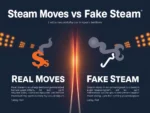
The article distinguishes between real steam and fake steam in sports betting, explaining that real steam involves sharp, coordinated moves from respected bettors, while fake steam is driven by public betting or casual money. It emphasizes the importance of timing and origin of moves, cautioning against chasing steam, which often results in poor betting value.
Sports betting markets prioritize pricing uncertainty and managing risk rather than simply predicting winners. Understanding market forces, such as sharp money and public betting, is crucial. Key concepts include closing line value, market timing, and the importance of informed action to capture value in a constantly evolving pricing system.
If you’ve ever looked at betting percentages and thought, “How is the line moving the wrong way?” — congratulations. You’ve just noticed reverse line movement, one of the most misunderstood concepts in sports betting. Reverse line movement (RLM) is often where sharp bettors quietly reveal themselves, and understanding it can completely change how you read the…
Understanding the difference between sharp money and public betting is crucial for sports bettors. Sharp money refers to informed wagers that influence market odds, while public betting consists of casual bets driven by recent performance or narratives. Successful betting strategies involve recognizing market reactions to these bets, particularly in situations of reverse line movement.
Exercising good bet sizing and money management skills will help you win, as these fundamental aspects of gambling not only enhance your chances of success but also protect your bankroll over the long haul. By carefully evaluating the risks associated with each bet and adjusting the size of your wagers accordingly, you can maximize your profits…
PCG is conducting off-season research and sharing valuable SDQL systems for upcoming sports, particularly focusing on NBA betting strategies.
Tom’s NFL analysis highlights a successful season with a 3-0 record on Top Plays, including a win with the Miami Dolphins at +108. He discusses his confidence in upcoming selections, particularly Miami’s performance post-bye week and potential betting strategies surrounding the Denver Broncos and New Orleans Saints for Week 6.
Conference Championship Sunday is one of the toughest betting slates of the entire year. With only two games on the board, sportsbooks tighten lines while public betting volume surges. That combination creates a dangerous environment for casual bettors—but also opens the door for sharp, data-driven opportunities built on historical systems and market inefficiencies. Quick Picks (Best…
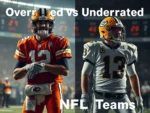
The NFL analysis highlights key trends and player performances ahead of Week 16. Despite the Packers losing, the chart suggests the Bills and Dolphins are underrated, while the Eagles and Texans are overrated. Drew Brees shines as the top fantasy QB, and the San Diego Chargers are projected to defeat the injury-stricken 49ers.
Since 2003, consecutive road teams in the NFL have been undervalued, achieving 56.9% against the spread (ATS). Underperforming as underdogs, their record improves to 57.8% ATS. Statistical analysis reveals key dynamics for betting opportunities. Seattle stands out with strong performance against playoff teams, making them a valuable pick against Atlanta.
In Major League Baseball, the .500 record mark is one of the most misunderstood indicators in the betting market. While most bettors view it as a neutral benchmark, sportsbooks and public perception often treat it as a meaningful signal—creating subtle but exploitable pricing inefficiencies. This system is built to take advantage of those misinterpretations over a…
Each week during the NFL season, teams become overrated or underrated based on public perception — not true performance. The betting market is driven by emotion, recency bias, highlight plays, fantasy football narratives, and media overreaction. That’s where opportunity lives. If you understand how perception moves point spreads, you can consistently position yourself on the value…
The system identifies a significant betting edge in early MLB season games featuring moneyline favorites priced between -250 and -200. Historical data shows a win rate of 73% and a positive ROI. This approach leverages market inefficiencies due to incomplete information and slower adjustments to team strengths, providing strategic betting insights.
Why MLB Home Teams Become Profitable After April An MLB market timing case study One of the most consistent mistakes sports betting markets make happens early in the season — before pricing fully stabilizes. Major League Baseball is a textbook example of this behavior. From 2004 onward, betting markets have repeatedly mispriced home teams in April,…
Theo Epstein’s new “sleep rule” aims to enhance Cubs’ performance by prioritizing rest over nightlife, promoting discipline and accountability among players.
The Computer Group STORY: Origins of Computer-Driven Sports Betting Syndicates Before ProComputerGambler was launched, I had the opportunity to work closely with someone who had been part of one of the most influential betting syndicates in sports wagering history — the original Computer Group. Within that group he was known simply as “The Judge.” During the…
In NCAAF Week 10, the timing of bets is crucial for profitability. Bettors should place early bets on favorites and wait on underdogs due to sportsbook adjustments. Key numbers vary by sport, impacting the strategy. Understanding market movements and closing line value is essential for long-term success in betting.
One of the most uncomfortable positions in sports betting is backing a double-digit underdog on the road. Casual bettors hate it. Yet year after year, these are the exact spots where the market quietly leaks value. The scoreboard looks ugly, the favorite feels “safe,” and narratives scream blowout. But betting markets don’t price games based on…
Weekend betting reports should analyze why outcomes occurred, revealing public biases in favor of favored teams and inflated perceptions. Successful betting hinges on recognizing situational dynamics, such as teams’ emotional rollercoasters and performance metrics. The focus should shift from raw results to understanding market behaviors and leveraging insights for future decisions.
This 2010 NFL Week 5 post, part of the ProComputerGambler archive, highlights betting market behaviors influenced by public perception, injuries, and team reputations. It emphasizes the importance of analyzing market psychology, spotting overreactions, and understanding NFL parity to identify value in betting. The lessons remain relevant for today’s bettors.
The Super Bowl distorts betting markets, allowing sharp bettors to exploit public biases and reverse line movements for long-term gains.